I was looking at methods of keeping notebooks organised and I came across a really interesting blog post (source) that I want to share with you all. All of the pictures in this post come directly from the original blog post.
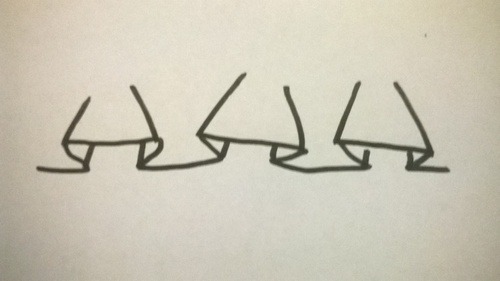
Make your entry into your notebook. In the example
photographs, they have recorded a Chinese recipe.
Go to the back of the notebook and add a tag or title, e.g. “Chinese”
on the left edge of the page.
Go back to the first page where the entry was, and on the
same line number as you wrote “Chinese” make a black mark on the edge. You make
this mark so that even when the notebook is closed, the mark is visible. After
repeating this for various recipes, you now have various tags visible on the
notebooks edge.
If you ever wanted to find a Chinese recipe, you simply look
at the index, locate the label, and look along the visible edge which has been
tagged as Chinese. Then just flick to each marked page.
You’re not limited to one tag per page. You
could tag a page 2 or 3 times. So if you jot down a chicken stir fry you could
tag it as “Chicken” and “Chinese”.
This could be very useful for organizing an Inspiration journal! Tag ideas for names, plots, titles, character bios, etc.!
It’s here! For those artists who spend loads of time trying to figure out why their art is not coming out the way they want it to be, making thumbnails (or making studies) is the thing for you! It’s also great of getting rid of the habit of zooming in.
Lighting is often underestimated in illustration – a lot of illustrators and beginning artists look at it as a decorative element, or as purely a tool used to showcase the form. A lot of beginning artists are afraid of shading and of using harsh lights. But even with the lighting mastered, even with perfect rendering and good understanding of form in space an integral element of the light remains missing in their pieces.
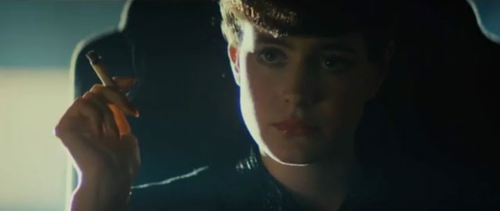
Look at the samples above: the same character’s head has been used in every thumbnail, and the only thing I have tweaked was the cropping and manner of light used on the features. Every single one of these frames tells a different story and gives off a different vibe simply by using light to focus on the features I want you to focus on.
Read how lighting can be used to enhance character, mood, and interaction within your pictures below the cut.
By the way, this is for artists who want to make different colors for haircurts. Only one contradiction: You need to keep your layers. All separated(So no shadows with highlights.)
It is supposed to work, depending on your way to color,it might not look the same as Chino’s. I know I do that mistake, too.
it indeed is western/european centric, I’m sorry for that, but for other cultures I simply don’t have so many references
ALSO note that most of the pictures show historical clothing from the upper classes or more festive clothing of the lower/working class because normal working clothes wouldn’t survive for such a long time, and the clothes were often re-used over and over again!







 Izzie’s tumblr archive